
Residential air duct cleaning
We inspect your ducts before we ever quote cleaning them.
Air duct cleaning has been part of Summit's work for decades — and so has telling homeowners when they don't need it. We look first, show you what's actually in the system, and only recommend cleaning when the condition supports it. Serving Oregon and SW Washington since 1978.
What it is
Cleaning the air path your house breathes through.
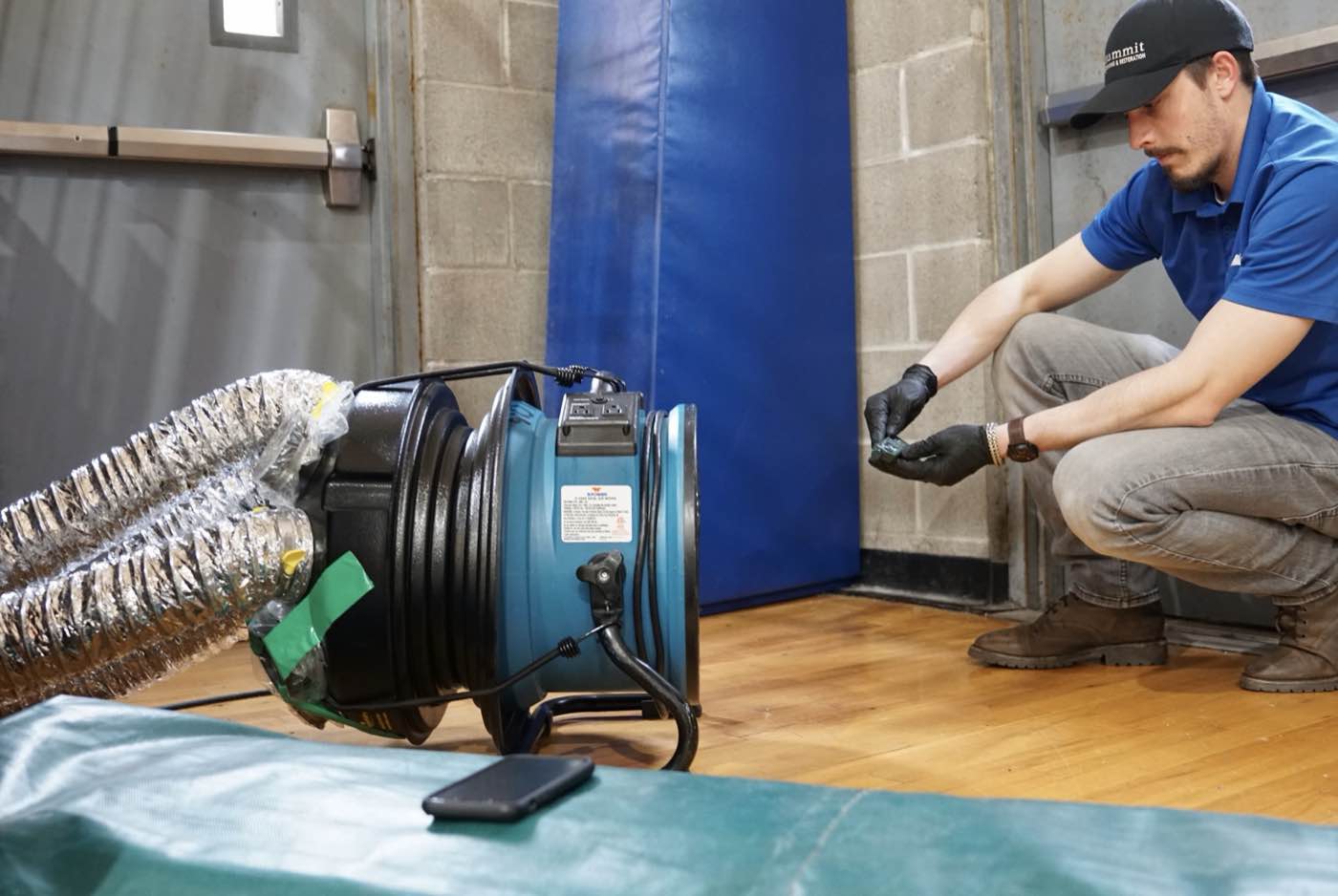
Air duct cleaning means removing accumulated debris from the ductwork and registers that move conditioned air through your home — plus, where the system warrants it, treating the HVAC equipment those ducts connect to. It's a residential service at Summit: the commercial version runs through a different team on a different program.
It sits next to restoration work rather than replacing it. When a fire, a water loss, or a mold problem involves the air-handling system, duct work becomes part of the scope. When it doesn't, it's a standalone job — and sometimes it's a job that shouldn't happen at all.
Residential air duct cleaning
Cleaning the supply and return ductwork that moves air through your house — the trunk lines, branch runs, and the registers you can see.
HVAC sanitization
Treating the equipment side of the system, not just the ducts. Which parts of a system warrant it depends on what the inspection finds.
Dryer vent cleaning
Lint in a dryer vent is a fire-load and a dryer-performance problem at the same time. It runs on the same visit as duct work when you need both.
Running a commercial property? Summit's Facility Services program handles recurring carpet, tile, upholstery, stone, and dryer-vent work for hotels, senior living, offices, and multifamily.
When it's warranted
Four situations where cleaning the system earns its cost.
Three of these come out of a damage event. The fourth is ordinary maintenance that happens to prevent a fire.
Heavy smoke loading after a fire or wildfire event
The signs that move this from 'change your filters' to 'clean the system': visible residue at the registers, odor that returns every time the system kicks on, or ash that got inside the house. That is the tier where duct and system cleaning is legitimate.
Read the wildfire smoke cleanup guideAfter a water loss, when the system moved air through wet space
If the HVAC ran while part of the house was wet, the ductwork is part of the loss and gets inspected like any other assembly. We clean it when the inspection supports it — and say so when it doesn't.
Water damage restorationAlongside mold remediation, when the air path is implicated
Duct cleaning is not a mold treatment on its own, and it never fixes the moisture that caused the growth. It belongs inside a remediation scope that also fixes the source.
Mold remediationA dryer vent that's slow, hot, or visibly packed with lint
Clothes taking two cycles to dry, a hot laundry room, or lint visible at the exterior termination are the everyday signs. This one is worth handling on schedule rather than on symptoms.
When it isn't the answer
"Your ducts are fine" is a result we deliver regularly.
Duct cleaning is one of the easiest services in this industry to sell to someone who doesn't need it. The system is hidden, the fear is real, and nobody can check your work. So we inspect first and give you the straight answer either way — including the answer that costs us the job.
Here's where we routinely tell homeowners to keep their money:
-
A normal Oregon smoke summer
After a season of regional haze with no residue at the registers, fresh filters and time usually do the job. Paying for a duct cleaning to solve that is paying for the wrong thing.
-
Odor that comes back on humid days
That pattern is classic evidence the source is absorbed in porous materials — carpet pad, unfinished wood, wall cavities — not circulating through your ducts. Source-level treatment is the fix; another pass through the ductwork isn't.
-
An ozone generator or 'odor bomb' you were about to buy
Ozone at effective concentrations is a lung irritant and belongs in unoccupied spaces, and consumer foggers mostly mask. Professional deodorization removes the source first, by material and situation.
-
Ducts that are simply dusty
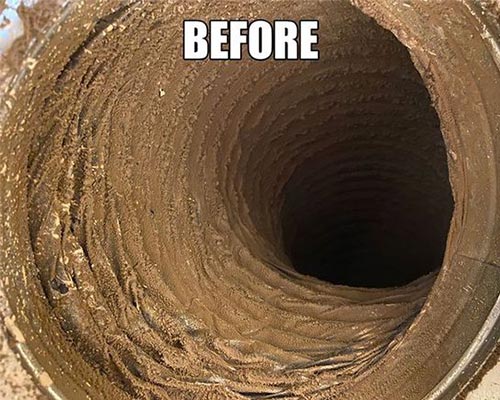
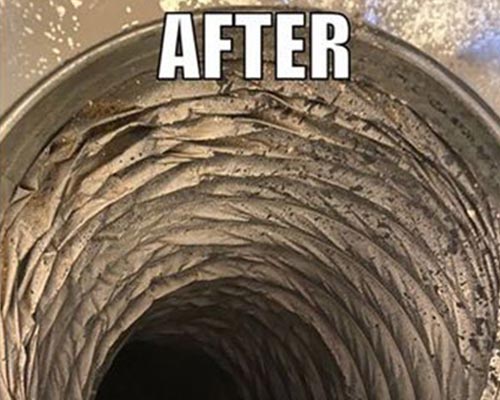
Some dust in a duct is what a duct looks like. We'll show you what's in yours and let you decide with the picture in front of you.
Not sure a quote you've been given is honest? Talk it through with us — and the full smoke-cleanup reasoning lives in the wildfire smoke guide.
Who's doing the inspecting
- In business since
- 1978 · 48 years
- Licensed
- OR CCB# 153107 · WA L&I# SUMMICG857ML
- Oregon headquarters
- 4 · staffed crews
- Inspection
- Free, before any quote
The next step
Book the inspection. Decide after you've seen inside.
Pick Air Duct Cleaning on the request form and a Summit coordinator will schedule a look at your system. If it doesn't need cleaning, we'll tell you — that's the whole point. If you're dealing with an active fire or water loss right now, call instead so we can dispatch.
Duct questions, answered honestly
What Oregon homeowners ask us about their ducts.
Do I actually need my air ducts cleaned?
Often, no — and we'd rather tell you that on the inspection than after the invoice. We look at the system before quoting work: what's at the registers, what the returns look like, whether odor tracks with the system running. 'Your ducts are fine' is a result we deliver regularly. When the inspection does support cleaning, you'll see why before you decide.
Will duct cleaning get rid of a smoke smell?
It depends entirely on where the odor lives. After heavy smoke loading — visible residue at registers, ash intrusion, odor that returns when the system runs — cleaning the system is a legitimate part of the fix. But if the smell returns on humid days, the source is absorbed in porous materials like carpet pad, unfinished wood, or wall cavities, and cleaning the ducts will not touch it. That's a deodorization and source-treatment job, which is fire and smoke restoration work.
Does Summit clean dryer vents too?
Yes — dryer vent cleaning is part of this service line, and it's the one duct-adjacent job worth doing on a schedule rather than waiting for symptoms. Slow drying cycles, a hot laundry room, or lint at the exterior termination are the signs to call.
Is duct cleaning covered by insurance?
On its own, as maintenance, no. As part of a covered loss — a fire, or a water event where the HVAC system is documented as affected — it can be part of the claim scope your carrier approves. Your policy and your adjuster decide; what Summit controls is documenting the system's condition so the claim reflects it accurately.
How often should air ducts be cleaned?
There's no interval we'll quote you, because the honest answer is that it depends on the house, the system, and what's happened in it. A home that took smoke damage and a home that didn't are not on the same schedule. Dryer vents are the exception — that one is genuinely maintenance, because the lint accumulates whether anything eventful happens or not.
Do you do commercial duct cleaning?
The duct program on this site is residential. Commercial buildings — hotels, senior living, offices, multifamily — run through Summit's Facility Services account team, which handles recurring carpet, tile, upholstery, stone, and dryer-vent programs. Start there and they'll route your request to the right crew.
Where duct work fits
Let us look before you spend anything.
A Summit coordinator can schedule a duct inspection — and tell you honestly if your system doesn't need the work.