
Biohazard cleanup cost is driven by contamination boundaries, not by the label on the call. Sewage backups, trauma and crime scenes, unattended death and decomposition, bloodborne pathogens, and hoarding or gross-filth conditions each require a trained assessment of what was affected, what can be cleaned, what must be removed, and how waste is handled safely.
Summit handles these calls discreetly. A free inspection or 24/7 call starts with safety and privacy, then builds a written scope from the actual scene — never a generic internet average.
What moves the estimate?
Contamination extent
Raises costA contained bathroom event and a multi-room scene differ in labor, containment, cleaning passes, and documentation.
Porous materials affected
Raises costCarpet, pad, drywall, subfloor, mattresses, and upholstered contents can absorb contamination and may require removal rather than surface cleaning.
PPE, containment, and disposal requirements
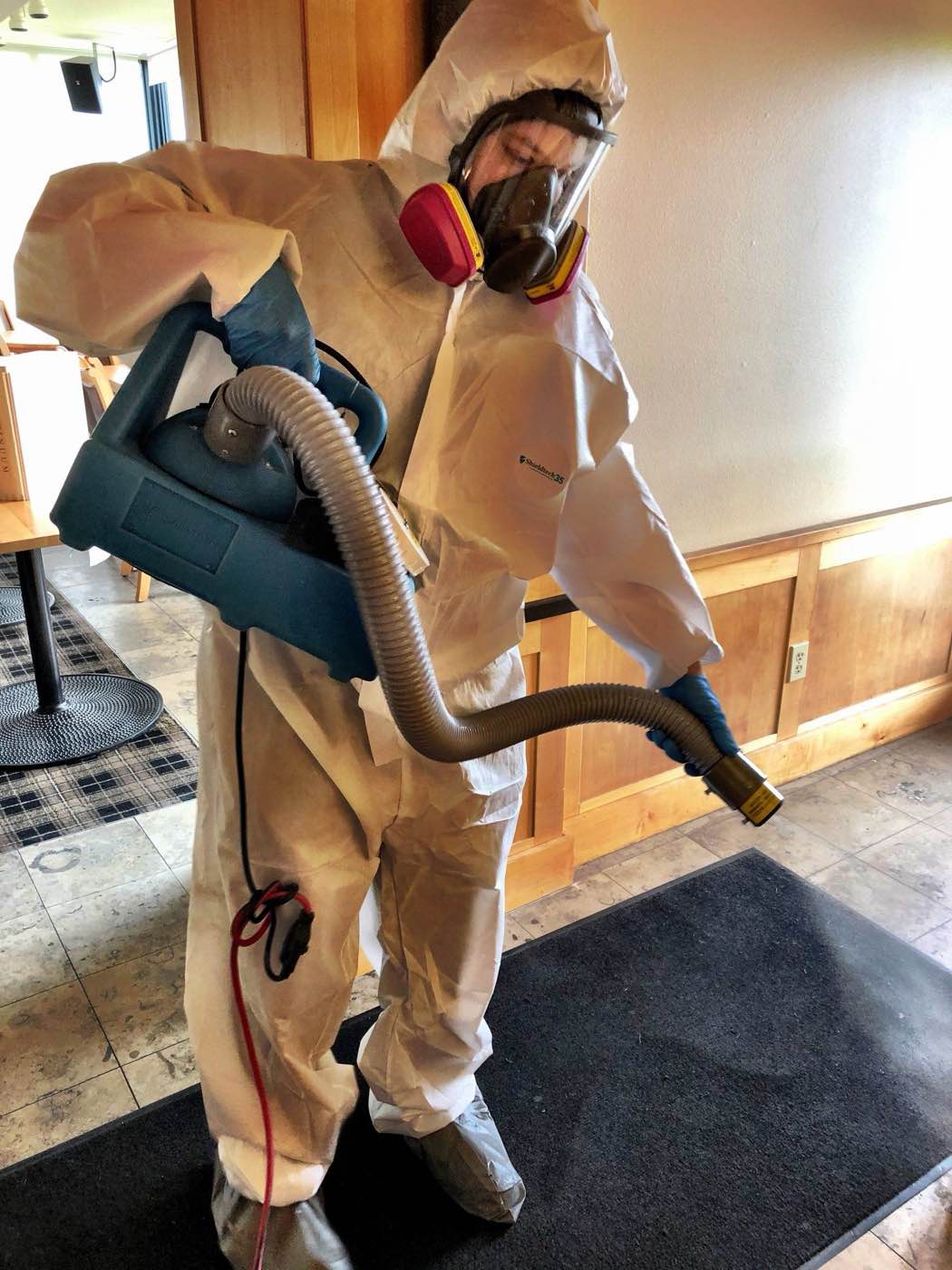
Raises costBiohazard work includes worker protection, controlled waste handling, and cleaning verification that ordinary janitorial cleanup does not.
Scene release and access timing
DependsWork can begin only when the scene is safe and released. Delays can affect odor, material removal, and scheduling.
Sewage, trauma, and decomposition protocols
DependsSewage is commonly scoped as Category 3 water; trauma, crime-scene, and unattended-death work follows bio-recovery discipline with odor and pathogen control. The overlap is contamination control, but the details differ.
Hoarding and gross-filth conditions
Raises costHeavily obstructed spaces can hide spoiled food, animal waste, and structural mold, adding sorting, hauling, and decontamination well beyond a single contained scene.
How insurance changes what you pay
Biohazard and trauma cleanup coverage depends on the cause, policy, and endorsements. Sewage backup often requires specific water/sewer backup coverage; trauma-related cleanup may be handled differently by policy.
Summit documents affected areas, removal decisions, cleaning steps, and photos for carrier review where appropriate, without promising coverage outcomes.
Where this guidance comes from
No dollar figures are published because contamination extent, material absorption, disposal, and access timing cannot be known without assessment.
The guide follows Summit's certified-process framing: safety first, contamination boundaries, remove what cannot be cleaned, clean/disinfect what remains, document discreetly.
Below the surface · Trauma & biohazard
Why professional biohazard cleanup goes deeper than the surface
After a loss like this, families shouldn't carry the cleanup too. Written with care: here is why trained, discreet remediation matters — affected materials absorb more than the eye can see.
Tap or Tab to a numbered point on the diagram to see what happens there — and how we resolve it. Every point is also written out in the list below.
All 6 points, written out
-
Porous materials
Often invisible
Carpet, pad, and upholstery are absorbent — surface cleaning can't reach what porous materials have taken in.
Summit: We assess what can be safely sanitized and remove what cannot, with clear explanation at every step.
-
Between floor layers
Often invisible
Fluids seep through seams into the underlayment and subfloor, beneath flooring that appears clean after wiping.
Summit: We check between the layers and treat or remove the subfloor where seepage has reached it.
-
Wall cavities at the baseboard
Often invisible
Liquid follows the floor edge under baseboards and into the wall cavity, out of reach of any surface cleaning.
Summit: We inspect the baseboard line and open the cavity where needed so nothing is sealed in.
-
HVAC circulation
Often invisible
The home's air system can carry odor and airborne particulates to rooms far from the affected area.
Summit: We evaluate the HVAC pathway and include it in the remediation scope when it's involved.
-
Odor at the source
Often invisible
Odor persists when the source material remains — masking agents fade, and the reminder returns.
Summit: We remove or treat the source itself, then verify the air before we call the space done.
-
Sanitization & discreet disposal
Often invisible
Affected materials can't go out with household trash, and 'looks clean' isn't a sanitization standard.
Summit: We handle certified disposal in unmarked discretion where requested, and verify sanitization before returning the space to you.
Worried any of these points describes your home? Moisture meters and a trained eye settle it in one visit — the look is free.
Questions we hear about this
Can biohazard cleanup be quoted over the phone?
Only as a rough process conversation. A real scope needs contamination boundaries, material decisions, access, and safety requirements.
Is sewage cleanup a biohazard?
Yes, sewage is treated as contaminated Category 3 water. It usually requires removal of affected porous materials, disinfection, and structural drying.
Will Summit handle these calls discreetly?
Yes. Privacy, respectful communication, and careful documentation are part of the service, especially on trauma and sensitive biohazard calls.
What kinds of biohazard cleanup does Summit handle?
Trauma and crime scenes, unattended death and decomposition, bloodborne-pathogen decontamination, sewage and Category 3 water, and hoarding or gross-filth remediation — all handled discreetly by certified technicians.
Next step
Ready to act? A live coordinator answers 24/7.
One call gets documentation started, your carrier looped in, and a crew scheduled — on site within 2 hours for active emergencies in our service area.