
November 18, 2026 9 min read
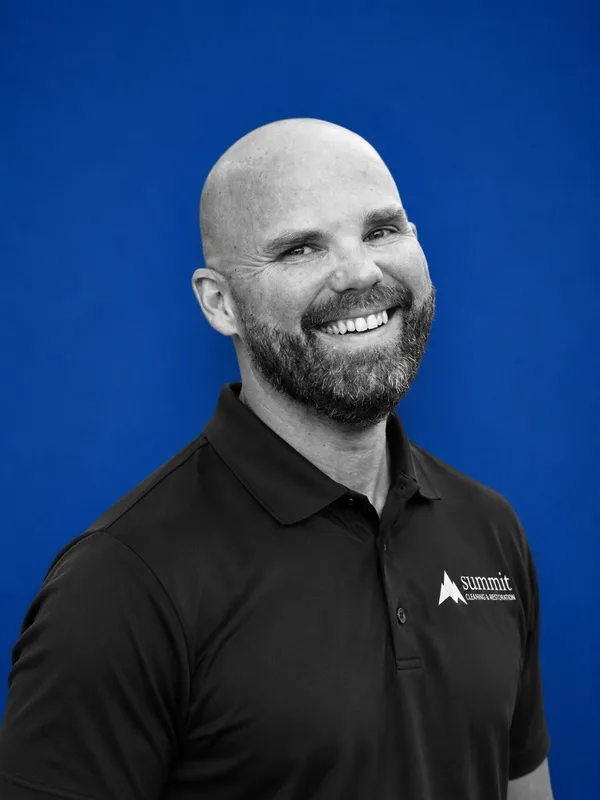
By Grandt Mansfield · Director of Marketing & Business Development
Grandt Mansfield is Director of Marketing & Business Development at Summit Cleaning & Restoration.

The Myth of the 'All-Purpose' Bleach Solution
When exploring the strict science of Biohazard Cleanup: Enzymatic Cleaners vs. Hospital-Grade Disinfectants for Bloodborne Pathogens, the most dangerous misconception we encounter is that a standard bottle of household bleach is enough to make a contaminated room safe. Bleach is a powerful chemical, but pouring it over a biological spill does not neutralize the threat. Instead, standard household cleaners fail because the organic matter itself acts as a physical shield, protecting microscopic pathogens from the chemicals. Wiping a surface with an all-purpose cleaner merely smears the hazard across a wider area. If you are facing a severe contamination event, you need a strict, scientifically sequenced two-step process to ensure the environment is genuinely safe. For true peace of mind, you need professional biohazard cleanup; if you are local to our area, reaching out for biohazard cleanup in Stayton is the safest first step.
The Danger of Incomplete Remediation
Many property owners mistakenly believe that if a stain is gone, the hazard is gone. This visual bias leads to dangerous DIY cleanup attempts. Blood, bodily fluids, and other biological materials contain complex cellular structures. When you apply standard bleach directly to these materials, the outer layer of the proteins can actually harden, creating a protective shell around the viruses and bacteria trapped inside. Our specialized biohazard protocols are designed specifically to overcome this physical barrier, ensuring that no microscopic threats are left behind to endanger future occupants.
Why Standard Cleaning Fails Against Bloodborne Pathogens
Understanding why standard cleaning methods fail requires looking at the physical makeup of a biohazard spill. Biological materials are not just liquids; they are dense clusters of proteins, lipids, and cellular debris. When these materials are present on a floor, wall, or subfloor, they create a microscopic fortress.
The Physical Barrier of Organic Matter
Bloodborne pathogens, such as Hepatitis B (HBV) and Human Immunodeficiency Virus (HIV), can survive outside the body for varying lengths of time. However, they do not sit exposed on a surface; they are suspended within the organic matter. If you spray a standard surface cleaner onto this material, the chemical never actually touches the pathogen. It only interacts with the top layer of the biological shield. This is the exact reason why specialized biohazard protocols dictate that the shield must be destroyed before any sanitization can occur.
The Risks of Cross-Contamination
Attempting to clean a biohazard with a mop, sponge, or standard towel usually results in cross-contamination. Here is what happens during a typical DIY cleanup attempt:
- Smearing the threat: Wiping pushes the biological material into microscopic pores in wood, concrete, and drywall.
- Contaminating tools: Mops and buckets become secondary carriers of the pathogens, spreading them to other rooms.
- False security: The surface looks clean to the naked eye, but the biological hazard remains active and dangerous.
Why Licensed Professionals Are Required
Because of these severe health risks, biohazard remediation is not a household chore. It requires licensed professionals equipped with personal protective equipment (PPE), specialized chemicals, and strict containment procedures. Whether dealing with a trauma scene or requiring comprehensive sewage cleanup services, the principles of biological containment remain the same. The area must be isolated, the organic matter must be chemically dismantled, and the underlying pathogens must be eradicated using heavily regulated methods.
Phase One: How Enzymatic Cleaners Break Down Organic Matter
The first mandatory step in professional remediation involves dismantling the physical shield. This is where enzymatic cleaners enter the process. Unlike harsh chemical solvents that attempt to burn through material, enzymatic cleaners rely on biological catalysts to dismantle the organic matter at a cellular level.
Targeting Proteins and Lipids
Enzymatic cleaners contain specific types of enzymes designed to target the exact components of blood and bodily fluids. Proteases are enzymes that specifically break down protein chains, while lipases target fats and lipids. When applied to a biohazard spill, these enzymes go to work immediately, digesting the complex molecular structures that make up the biological shield. They literally break the organic matter apart, turning a solid, protective barrier into a liquid state that can be safely extracted.
The Role of Proteases in Biohazard Cleanup
Proteases are the heavy lifters in phase one. Blood is incredibly protein-rich, and as it dries, those proteins bind tightly to surfaces. Proteases sever the bonds holding these proteins together. By destroying the cellular structure of the blood and bodily fluids, the enzymatic cleaner strips away the hiding places for bloodborne pathogens. This step does not necessarily kill the viruses, but it exposes them, leaving them completely vulnerable to the next phase of the process.
Site Preparation and OSHA Standards
The Occupational Safety and Health Administration (OSHA) sets strict guidelines under the Bloodborne Pathogens Standard regarding site preparation and worker safety. Proper site preparation requires that all gross organic matter be removed before sanitization begins. Our specialized biohazard protocols adhere strictly to these mandates. Skipping the enzymatic breakdown phase is a direct violation of safety standards because it guarantees that the subsequent disinfection phase will fail.
Phase Two: Eradicating Pathogens with Hospital-Grade Disinfectants
Once the enzymatic cleaners have successfully dismantled and removed the organic shield, the environment is ready for phase two: complete sanitization. This phase relies on EPA-registered, hospital-grade disinfectants specifically formulated to destroy exposed bloodborne pathogens.
The Power of EPA-Registered Solutions
Not all disinfectants are created equal. For a chemical to be used in biohazard remediation, it must be registered with the Environmental Protection Agency (EPA) and proven effective against specific, resilient pathogens like HBV and HIV. These hospital-grade solutions utilize advanced chemical actions—such as oxidation or cellular disruption—to neutralize the exposed viruses and bacteria permanently. If you have ever wondered about the specific chemicals used in professional settings, exploring the questions we receive about disinfecting can provide deeper insight into why over-the-counter products fall short.
Understanding Dwell Time
One of the most critical factors in phase two is dwell time. Dwell time refers to the specific amount of time a hospital-grade disinfectant must remain visibly wet on a surface to guarantee efficacy.
- Instant kills are a myth: No chemical destroys a bloodborne pathogen the second it touches the surface.
- Strict timing: Depending on the specific EPA-registered product, the dwell time required to kill HBV or HIV might range from three to ten minutes.
- Environmental monitoring: Professionals must constantly monitor the surface to ensure the chemical does not evaporate before the dwell time is achieved.
The Crucial Link Between Phase One and Phase Two
The success of phase two is entirely dependent on the flawless execution of phase one. Hospital-grade disinfectants are incredibly effective, but they are easily deactivated by heavy organic soil. If the enzymatic cleaners did not fully digest the proteins and lipids, the disinfectant would waste its chemical energy attacking the remaining organic matter rather than destroying the pathogens. This strict, two-step scientific sequence is the core of our specialized biohazard protocols.
Enzymatic Cleaners vs. Disinfectants: Understanding the Sequence
To fully grasp why professional biohazard cleanup requires both agents, it helps to see their distinct roles side-by-side. They are not interchangeable; they are perfectly complementary tools in a strict safety protocol.
| Remediation Agent | Primary Purpose | Chemical Action | Target Material |
|---|---|---|---|
| Enzymatic Cleaners | Break down physical barriers | Biological catalysts (enzymes) | Organic matter (proteins, lipids) |
| Hospital-Grade Disinfectants | Eradicate microscopic threats | Chemical sanitization | Exposed bloodborne pathogens |
Attempting to use an enzymatic cleaner alone will leave live pathogens on the surface. Attempting to use a hospital-grade disinfectant alone will result in the chemical failing to penetrate the organic shield. Only by executing this sequence flawlessly can an environment be certified safe.

How Oregon's Climate Accelerates Biohazard Risks
The urgency of professional biohazard remediation is often compounded by local environmental factors. In our area, the damp and humid late-fall climate creates a unique set of challenges that accelerate the risks associated with biological contamination.
The Impact of High Relative Humidity
Oregon's late-fall weather frequently pushes relative humidity levels above 70 percent. Moisture is the primary catalyst for microbial growth and organic decomposition. When biological matter is introduced to a highly humid environment, the degradation process accelerates rapidly. This means that a biohazard spill will begin to emit strong odors and foster secondary bacterial growth much faster than it would in an arid climate. Enzymatic breakdown becomes even more critical in these conditions, as the organic matter is actively changing state.
November Enclosed Space Safety
As we move deeper into November, buildings are sealed tightly for winter heating. Windows are shut, HVAC systems are running constantly, and natural ventilation drops to near zero. In these enclosed spaces, the risks of biohazard contamination multiply. If a spill is not properly remediated, the HVAC system can circulate microscopic biological particulate throughout the entire structure. This is why November enclosed space safety relies heavily on immediate, professional intervention. You cannot wait out a biohazard; the indoor climate will only make the situation more dangerous.
Beyond Cleaning: Summit's Strict Remediation Standards
As an expert at Summit Cleaning & Restoration, I can tell you firsthand that true safety requires far more than surface-level wiping. Our approach to biohazard remediation is rooted in strict scientific principles and absolute compliance with federal safety regulations.
A Non-Negotiable Standard for Safety
We do not treat the two-step process as an option; it is a non-negotiable standard. Our specialized biohazard protocols require that every technician understands the exact science of enzymatic breakdown and chemical sanitization. We train our teams to identify the specific types of organic matter present and apply the correct proteases and lipases to dismantle the threat. This level of discipline ensures that the subsequent application of hospital-grade disinfectants achieves a total kill of all exposed pathogens.
Absolute Compliance with OSHA and EPA
Property owners carry a heavy liability when dealing with biohazards, especially in commercial or rental spaces. By relying on our specialized biohazard protocols, you are guaranteed absolute compliance with OSHA's Bloodborne Pathogens Standard and EPA guidelines. We handle the containment, the chemical application, the dwell time monitoring, and the legal disposal of all hazardous waste. Our goal is to return your property to a state of absolute safety, removing both the physical hazard and the liability.
Frequently Asked Questions About Biohazard Remediation
Why are enzymatic cleaners used before disinfectants?
Enzymatic cleaners are used first because they break down the physical proteins and lipids found in organic matter. If you skip this step, the organic matter acts as a hard shield. Without this initial breakdown, disinfectants cannot reach and destroy the underlying pathogens safely. The enzymes literally digest the barrier so the disinfectant can do its job.
Can you use standard household cleaners on biohazards?
No, standard household cleaners are highly dangerous to use on biohazards. They typically smear the organic matter across a wider area rather than breaking it down. Furthermore, they lack the specific chemical composition required to neutralize resilient bloodborne pathogens safely, leading to severe cross-contamination.
Do enzymatic cleaners disinfect?
Enzymatic cleaners do not disinfect; their primary role is to dismantle organic matter. They act as biological catalysts that destroy the cellular structure of blood and bodily fluids. While they remove the physical hazard, a separate hospital-grade disinfectant must be applied afterward to kill the exposed viruses and bacteria.
Why use hospital-grade disinfectants for biohazards?
Hospital-grade disinfectants are required because they are specifically registered with the EPA to kill severe bloodborne pathogens like HBV and HIV. Over-the-counter cleaners do not have the proven chemical efficacy or the rigorous testing behind them to guarantee these microscopic threats are neutralized. These professional solutions ensure the environment is genuinely safe.
How does indoor humidity affect biohazard contamination risks?
High indoor humidity provides the moisture necessary for rapid microbial growth and organic decomposition. In damp environments, biological matter degrades faster, leading to stronger odors and accelerated bacterial spread. This makes rapid professional remediation critical to prevent the contamination from affecting the broader indoor air quality.
Ensure Absolute Safety with Professional Remediation
True safety in the aftermath of a biological event requires the precise, scientific application of both enzymatic cleaners and hospital-grade disinfectants. Attempting to shortcut this process with household bleach only increases the danger, especially as we focus on November enclosed space safety with buildings sealed tightly against the cold. Do not risk cross-contamination or lingering health hazards by attempting dangerous DIY cleanup. Rely on expert, specialized protocols to dismantle the organic matter and eradicate the underlying pathogens, ensuring your property is restored to a genuinely safe and healthy condition.
About the author: Grandt Mansfield Director of Marketing & Business Development
Grandt Mansfield is Director of Marketing & Business Development at Summit Cleaning & Restoration. Grandt joined the Summit team in May 2026 with more than 25 years of experience in sales, marketing, and business development, and a track record of building brands, teams, and partnerships on trust and doing what you say you're going to do.